
Credit Card Bonuses Explained
How sign-up bonuses and credit card churning work, and how to earn rewards without paying interest. This guide covers the basics, card tiers, bank rules, and practical tips.
Why issuers offer sign-up bonuses
Credit card issuers in the U.S. compete for customers by offering hundreds of dollars in sign-up bonuses. Widespread financial ignorance and high revolving debt make this profitable for them: Americans hold over a trillion dollars in credit card debt at average rates above 20%, so issuers earn far more from interest than they give away in bonuses. For people who manage credit well—paying the full balance each month—these offers can be a source of real value. The key is to use bonuses without ever paying interest.

Introductory offers and churning
Many cards offer sign-up bonuses such as “Spend $500 in the first 3 months and get $200 back.” Because multiple issuers run similar offers, it’s possible to earn several bonuses in sequence by applying for cards, meeting the spend with normal expenses, collecting the reward, and then moving on. This practice is often called credit card churning. A typical approach:
- Apply for a card with a bonus (e.g. spend $500 in 90 days, get $200).
- Use the card only for regular expenses—no extra spending—until the threshold is met.
- Collect the reward (cashback, points, or statement credit).
- Stop using the card after the bonus; lock or store it to avoid accidental or fraudulent use.
- Repeat with another card and bonus when ready.
Important
Always pay the full balance by the due date on every card to avoid interest. Interest quickly wipes out the value of any bonus.
Churning works well for people who can meet spend requirements with existing expenses. It’s important not to inflate spending to hit a bonus; treat each card like a debit card and only put planned purchases on it.
Warning: always pay off your card
Credit cards are not free money. Every dollar spent must be repaid. Carrying a balance leads to interest at very high rates, which can erase the value of any sign-up bonus. To avoid this, set up autopay for the full statement balance as soon as the card is opened. Those who struggle with debt or overspending should focus on budgeting and paying down existing debt before pursuing new cards; resources like The Dave Ramsey Show offer structured advice.
Treating a credit card like a debit card—spending only what one would otherwise spend in cash—helps keep rewards profitable and avoids the trap of paying interest to the issuer.

Which cards to start with
Hundreds of cards are available in the U.S., which can make it hard to know where to start. A simple way to think about it is by experience level:
- Beginners (no credit score yet): Discover IT Chrome (or Discover IT Cash Back) is often easier to get and helps build history.
- Intermediate (about a year of history, at least one card): Chase Prime Visa, Chase Freedom Flex, Chase Freedom Unlimited, American Express Blue Cash Everyday, American Express Hilton Honors.
- Advanced (comfortable with multiple cards and annual fees): American Express Gold Card and similar premium options.
Meeting spend with normal expenses on one or two cards per year can add up to hundreds of dollars in bonuses. The sections below give more detail on each tier and specific cards, along with referral links that open in a new tab.
Card-by-card explanations
Beginners (no credit score)
If someone is young or doesn’t have a credit score yet, most issuers see them as too risky. Discover is one issuer that is more willing to approve applicants with little or no history, making it a strong option for beginners. Discover is known for straightforward rewards and strong customer service. While the sign-up bonus isn’t the largest, it’s a solid starting point to build credit so they can qualify for better offers later. After about six months with a Discover card, many people have a score and can start applying for other cards.

The Discover IT Chrome card offers 2% cash back on restaurants and gas and 1% on everything else; in the first year those rewards are often doubled (4% on gas and restaurants, 2% elsewhere). The Discover IT Cash Back card offers 5% in rotating categories every three months (e.g. Amazon, restaurants, or gas) and 1% on other purchases. Apply here: Discover IT Chrome.
Intermediate: Chase cards
With a year or more of credit history, Chase cards are often a good next step. Chase’s 5/24 rule (see below) makes it wise to prioritize Chase before opening many other cards. At this stage, many people focus on no-annual-fee cards with solid sign-up bonuses; fee-based cards can wait until they’re more comfortable with churning. Chase and American Express (after Chase) are common next stops.
Chase Prime Visa
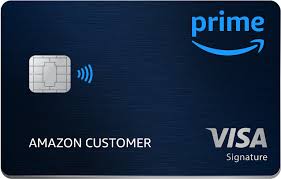
The Chase Prime Visa is a top pick in this tier for people who shop often on Amazon. Upon approval, new cardholders often receive a $200 Amazon gift card without having to make a purchase first. They earn 5% cash back on Amazon and at Whole Foods—a big win for anyone who shops at either place regularly. The card is metal, has no foreign transaction fees, and is well suited for international travel. Amazon Prime membership is required to apply; for Prime members, using this card avoids leaving 5% on the table at Amazon and Whole Foods. Apply here: Chase Prime Visa.
Chase Freedom Flex

The Chase Freedom Flex is a strong option for earning rewards with no annual fee. A typical sign-up bonus is around $200 for $500 in spend. The card offers 5% cash back on categories that rotate every three months—e.g. Amazon, gas stations, restaurants—and 1.5% on other purchases. In Q4 of 2024 the rotating category included PayPal, which worked well for holiday shopping and online purchases. It’s a card many people use when the rotating category lines up with their spending (dining, groceries, etc.) and use other cards when it doesn’t. Apply here: Chase Freedom Flex.
Chase Freedom Unlimited

The Chase Freedom Unlimited typically offers a sign-up bonus of around $250 for $500 in spend. The card gives 3% cash back at restaurants and pharmacies and 1.5% on all other purchases. Many people sign up, meet the spend for the bonus, then put the card away and use others for day-to-day spending. Besides the sign-up bonus it’s a simple flat-rate card. Apply here: Chase Freedom Unlimited.
Intermediate: American Express
After Chase, American Express offers strong options. Two popular choices:
American Express Blue Cash Everyday
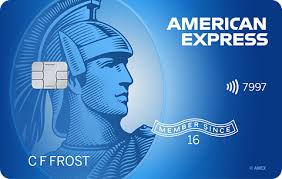
American Express has a recognizable brand that many people like. The Blue Cash Everyday is an entry-level card with a sleek look and solid rewards: 3% cash back on groceries, gas, and online purchases. A common offer is a $200 sign-up bonus after spending $2,000 in the first six months—easy to hit with normal spending. The card is straightforward, has no annual fee, and is a good way to start a relationship with Amex for future cards with larger bonuses. It works well for everyday spending and for people who want a low-maintenance card that still earns well in key categories. Apply here: American Express Blue Cash Everyday.
American Express Hilton Honors
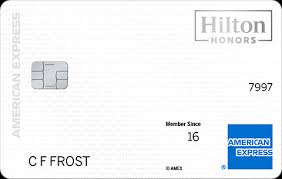
The American Express Hilton Honors card is a strong choice for anyone planning a vacation and staying at Hilton properties. A typical offer is 100,000 Hilton Honors points after spending $2,000 in the first three months—roughly equivalent to about $500 in hotel stays (Hilton points are often valued around half a cent each), or several free nights at a mid-tier Hilton (e.g. an Embassy Suites for more space). On top of the bonus, cardholders earn 7 points per dollar on Hilton stays (like 3.5% back), 5 points per dollar on dining, groceries, and gas (about 2.5% back), and 3 points per dollar elsewhere (about 1.5% back). Hilton Silver status adds perks like room upgrades and late check-out. Many people get the bonus and then use other cards for ongoing spend. Apply here: American Express Hilton Honors.
Advanced: American Express Gold
American Express Gold Card

The American Express Gold Card is a premium product with a large sign-up bonus and an annual fee (around $325). A typical offer is 90,000 Amex points after spending $6,000 in six months; at about 1 cent per point that’s roughly $900 in value. The fee is partly offset by credits: for example, $10 per month at select restaurants (e.g. Five Guys, The Cheesecake Factory), which can add up over the year. The card offers 4X points on dining and groceries, so it shines for people who eat out and grocery-shop often. The card is metal and feels premium. It does require some effort to use the credits and categories well, so it’s usually not the best first card—better for people already comfortable with multiple cards. For couples or families who dine out regularly and can use the monthly credits, it can be a strong fit. Apply here: American Express Gold Card.
How banks limit churning
Issuers know some people open cards mainly for bonuses. They use rules to limit how often applicants can get new cards or bonuses. Understanding these rules helps avoid wasted applications and maximizes the bonuses one can earn.

Chase 5/24 rule
Chase will typically decline applications if the applicant has been approved for five or more personal credit cards (from any bank) in the past 24 months. Because of this, it’s smart to prioritize Chase cards early—for example the Chase Freedom Flex or Chase Freedom Unlimited—before the 5/24 rule becomes a problem.

Capital One’s approach
Unlike Chase, Capital One doesn’t have a formal rule like 5/24, but they are very selective. They are known for declining applicants who have recently opened multiple cards, even with a good overall credit score. Some people report being declined with only one new card in the past two years. Anyone interested in a Capital One card should consider applying early—if several other cards are already open, approval can be much harder.

American Express rules
American Express generally allows only one credit card approval every five days and at most two credit card approvals in a rolling 90-day period (charge cards like Platinum or Gold usually don’t count toward this limit). There is also a cap on how many Amex credit cards one can hold (often four or five). Most importantly, Amex has a once-per-lifetime rule for welcome bonuses: each card’s bonus is typically available only once per person, even if the card is closed and reopened later. Applicants should time Amex applications to maximize bonus value.
Understanding these rules helps applicants avoid declined applications and plan the order of cards to earn the most bonuses over time.
Frequently asked questions
How will this impact my credit score?
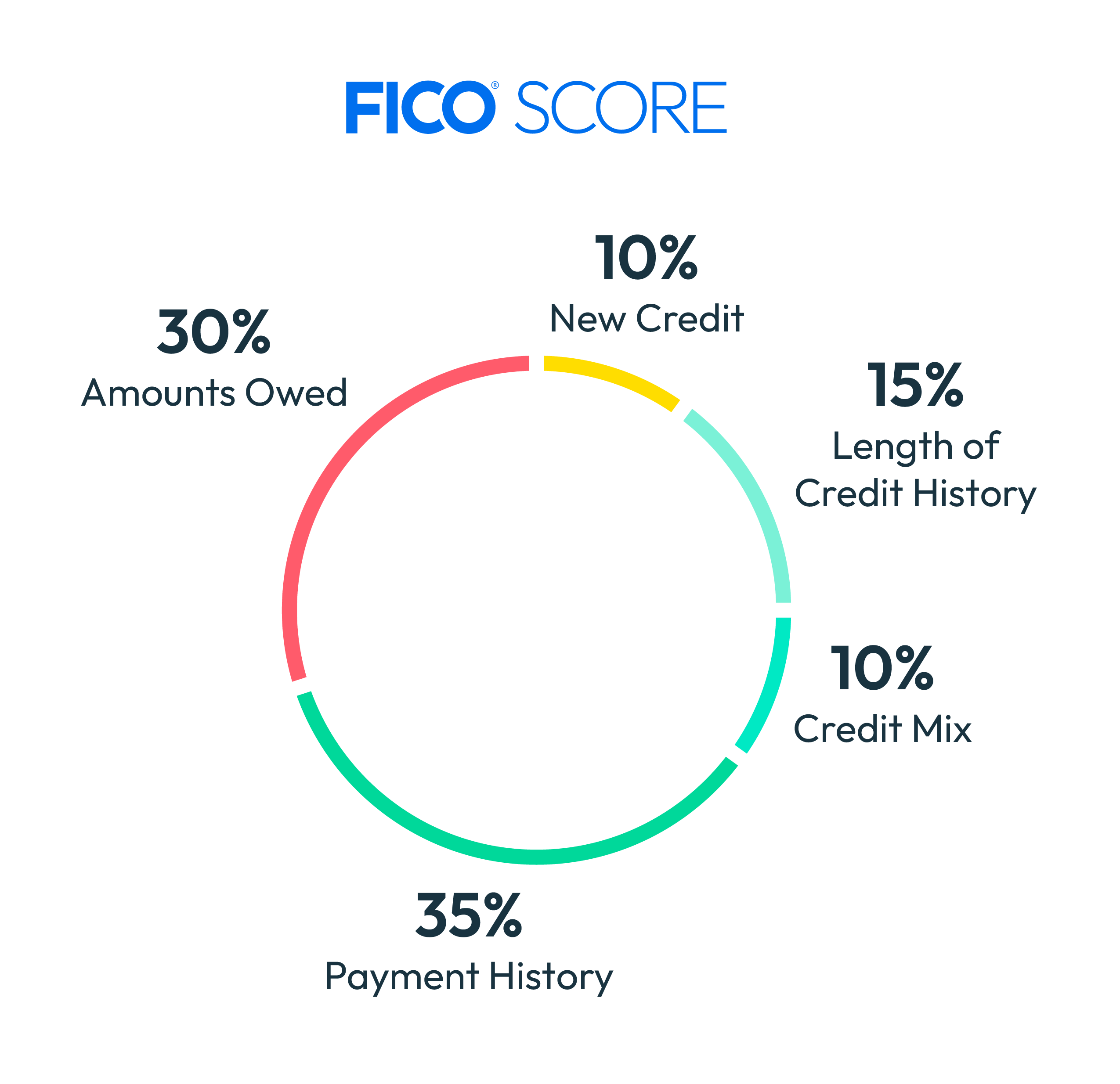
Credit scores are made up of several factors. New credit and length of credit history together make up a meaningful portion. Opening a new card can cause a small, temporary drop (often around 10 points) due to the hard inquiry and a slightly lower average age of accounts. For most people, the effect fades within a few months, and over time having more available credit and on-time payments can help the score. Anyone planning a large loan (e.g. a mortgage or auto loan) in the next year may want to avoid new applications so their score stays as high as possible. For more detail, see resources such as how credit inquiries affect your score.
Is this legal?
Yes. Following the card’s terms and conditions when signing up and meeting the spend requirement is within the rules. Many issuers ask that the card not be cancelled within the first year; staying open at least that long is a good practice.
Is this ethical?
Banks set the terms of their offers and expect that a portion of customers will earn bonuses and pay in full. Using sign-up bonuses within the rules is widely seen as fair: the issuer is offering an incentive in exchange for trying their product, and responsible use benefits both sides. Those who prefer not to engage with these offers can simply avoid them.
How do people manage multiple cards?
Many people don’t carry every card physically. They add most cards to Apple Pay or Google Pay and keep only a few in their wallet—for example: one card for groceries and dining (e.g. American Express Gold), one for general spending (e.g. a flat 3% card like the Robinhood Gold Card), and one that’s currently being used to meet a sign-up bonus. After hitting the bonus, that card is retired and the next one takes its place. Reward-tracking apps can sync cards from different issuers and help track balances and due dates; setting up autopay for the full balance on every card ensures payments are never missed and protects the credit score.
Important notes on spending
Research suggests that people tend to spend more when using credit than when using cash, in part because swiping or tapping feels less tangible than handing over bills. To keep bonuses profitable, it’s important to stick to a budget and use the card only for purchases that would have been made anyway. Avoiding lifestyle inflation—spending more just because credit is available—is key to making credit card rewards work in one’s favor.
Avoid annual fees when starting
Newcomers to credit card rewards are usually better off avoiding cards with annual fees. Plenty of no-annual-fee cards offer solid sign-up bonuses and ongoing rewards. Fee-based cards can be considered later, once someone is comfortable managing multiple cards and can clearly justify the cost with the benefits they’ll use.
Other card recommendations
Beyond the cards above, several others are commonly recommended for specific uses. Click a card image or the link below it to apply or learn more in a new tab.
AAA Travel card

This card is a strong option for gas spending: it earns 5% cash back on gas purchases. A common sign-up bonus is around $100 after spending $1,000. A nice perk is that AAA membership is not required to get the card, so it’s accessible for anyone who wants to save on gas. Many people keep it in the car and use it only for fuel. More info: AAA Travel card.
Citi Custom Cash
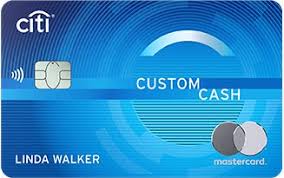
The Citi Custom Cash card offers 5% cash back on the top spending category each billing cycle (e.g. groceries, dining, or gas), making it easy to maximize rewards in one category. A typical offer is a $200 sign-up bonus after spending $1,500 in the first three months. Many people pick one category—like groceries—and use the card only for that, so they consistently earn 5% there. It’s a straightforward, flexible card that rewards what you spend the most on. Apply here: Citi Custom Cash.
American Express Hilton Surpass
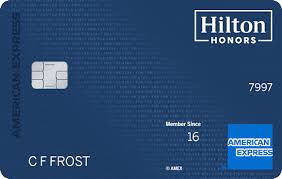
The American Express Hilton Surpass card carries a $150 annual fee but can be worth it for frequent Hilton guests. Each quarter cardholders receive $50 in Hilton credit (e.g. via Hilton gift cards at buyhiltongiftcards.com), which can be used at the hotel—spa, restaurant, or room—adding up to $200 in Hilton credit per year and more than offsetting the fee. The card also grants Hilton Gold status, which can mean room upgrades and an 80% boost in points earned per stay, plus perks like free bottled water at check-in. A current offer is 165,000 Hilton Honors points after spending $3,000 in the first six months; at about half a cent per point that’s roughly $825 in value, or several free nights at a mid-tier Hilton. Earnings are strong: 12X points (6%) on Hilton purchases, 6X (3%) on dining, groceries, and gas, and 3X (1.5%) on other purchases. For people who stay at Hiltons often, it’s a high-value card; for occasional travelers it may be less compelling. Apply here: American Express Hilton Surpass.
Robinhood Gold Card

The Robinhood Gold Card offers a flat 3% cash back on every purchase, with no rotating categories to track. The app is user-friendly for monitoring spending and rewards. There’s no sign-up bonus, but for people who are already Robinhood Gold members, the card is a simple way to earn 3% on everything. Many people use it for spending where their other cards don’t earn a higher rate, making it a go-to for everyday purchases. If someone ever wants to simplify and use one card for all spending, the flat 3% makes this a strong candidate. More info: Robinhood Gold Card.
Tools and resources
Many people use budgeting or reward-tracking apps to see all their cards in one place, track due dates, and avoid missed payments. Autopay for the full balance on every card is strongly recommended so a payment is never missed. For deeper dives into specific cards or strategies, issuer websites, YouTube, and comparison articles can be helpful. BonusAgent.ai focuses on bank account bonuses; for credit card offers, always confirm current terms and apply on the issuer’s official site.
Cards you can apply for
Click any of the cards below to open the application in a new tab. Using these links can sometimes earn the applicant and the referrer a bonus.
For more on bank account bonuses and how BonusAgent.ai helps you track them, see the BonusAgent.ai How To guide.