
Bank Bonuses Explained
How bank account sign-up bonuses work, who qualifies, and how to earn them with minimal effort. On BonusAgent.ai you can find offers on the Bank Bonuses page, track your history, and plan your schedule—this guide covers the basics and how to use the site to stay organized in your bank bonus hunting journey.
What is a bank bonus?
Banks generate revenue by collecting deposits from customers and lending that money to others. To encourage new customers to switch from their current bank, they often offer attractive cash bonuses as an incentive.
A bank bonus is one of the easiest ways to earn passive income because it usually requires no spending at all. Someone simply signs up for a bank account, meets the requirements, and receives the reward. Most commonly, this involves setting up a direct deposit of a specific amount within a given timeframe.
Example: Fifth Third Bank has offered a $400 bonus for making a single direct deposit of at least $500 within the first 90 days of opening the account.
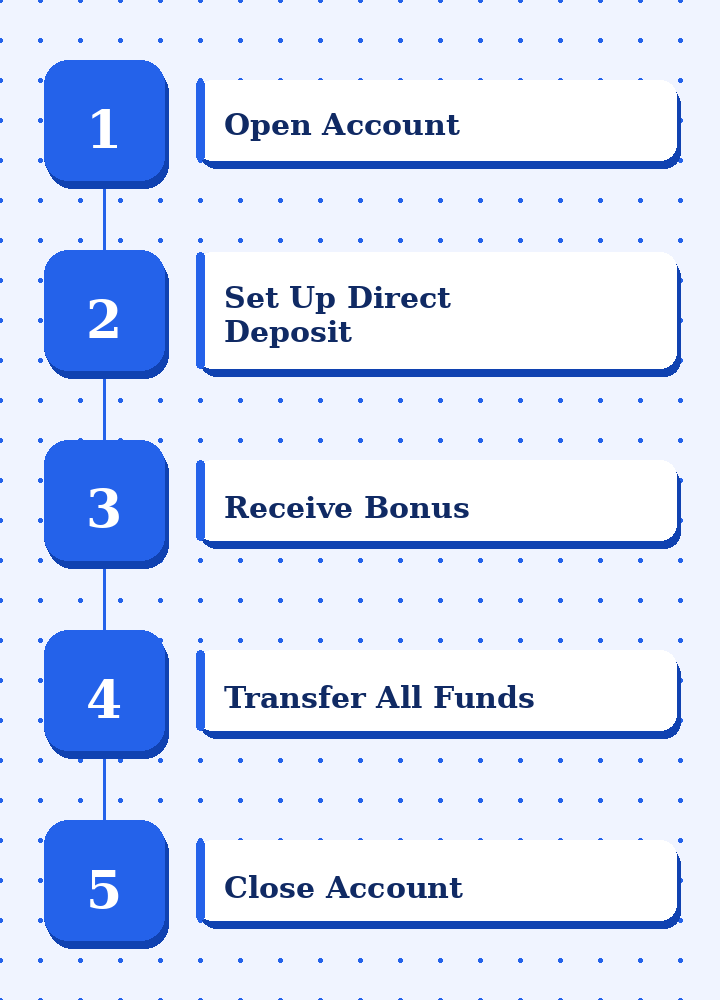
Steps to start receiving bank bonuses:
- Open the account: Most accounts can be opened online, and the process typically takes about 15 minutes. Once completed, the new account and routing numbers are available.
- Set up direct deposit: Redirect workplace direct deposit to the new account. The first time can feel tricky, but it becomes quick with practice—about 5 minutes once one knows how.
- Withdraw deposited funds: Once the direct deposit is complete, the money can be transferred out. It’s wise to leave at least $5 in the account until the bonus is received. Withdrawals can be done via ATMs, at the bank, or digitally—for example by linking the debit card to Venmo to transfer funds.
- Receive the bonus: Banks pay bonuses at different rates. Some credit the bonus within a week, while others may take up to 90 days.
- Transfer remaining funds: After receiving the bonus, withdraw the rest and use the reward as desired. If the debit card was used, consider locking it in the app to prevent unauthorized charges.
- Close the account: Once the account balance is $0, most banks will automatically close it after a certain period. Alternatively, one can call to close the account. It’s best to wait at least 90 days after the bonus to avoid repayment requests.
This process requires some effort, but it’s minimal. For many people it works out to about an hour of work per bonus, and earning $100–$400 for that hour is well worth it. Over time the process becomes easier; the most time-consuming steps are setting up the direct deposit and transferring funds, but these quickly feel routine. If someone has a job, their direct deposit has to go somewhere—they might as well get paid extra for where it lands.
Why do banks offer bonuses?
Most people don’t wake up thinking about opening a new bank account. Banking is often a “set it and forget it” decision—many stick with the account they opened years ago because switching feels like too much effort.
To overcome that inertia, banks offer attractive sign-up bonuses, like $300 or more, to encourage people to open new accounts. The goal: once someone is in the door, banks hope to sell them additional products like credit cards, investment accounts, or loans, making the relationship more profitable over time. For those aware of these offers, bank bonuses are an easy way to create a new stream of income—if they know how to take advantage of them.
Who can get a bank bonus?
The great thing about bank bonuses is that basically everyone is eligible for them.
New customers only
The primary restriction for most bank bonuses is that the applicant must be a new customer. This generally means they cannot have had the same product with the bank within a specific time frame, typically the past 12 months (though this can vary by bank). For example, if someone currently has or previously held a Chase checking account within the last year, they won’t be eligible for another bonus on the same account type.
Social Security number
Anyone with a Social Security number is eligible to open a financial account, which is required to qualify for bank bonuses.
Where to start
When it comes to bank bonuses, several types of accounts offer them: checking, savings, and brokerage accounts. However, checking account bonuses are typically the easiest and most straightforward to earn, making them the best place to start.
Why checking accounts are best
- Simple requirements: Most checking bonuses only require setting up a direct deposit of a specific amount.
- Low barriers: Unlike savings or brokerage accounts, checking bonuses usually don’t require large sums of money to be held for an extended period.
- Higher opportunity cost: Savings and brokerage bonuses often tie up funds that could instead earn interest in a high-yield savings account or be invested elsewhere.
There are hundreds of banks across the country offering lucrative checking account bonuses. On BonusAgent.ai, the Bank Bonuses page and your Dashboard help you see which offers you’re eligible for and which to tackle next.
Easy bonuses to start with
Starting with easy bonuses that pay out quickly is a good way to see that this is a real way to make money.

Chime
Chime is an online-only bank that’s perfect for beginners. Its requirements are minimal, and it pays out quickly.
Bonus: $100
Requirements:
- Make a single direct deposit of at least $200
- Activate the debit card (no spending required)
Why Chime:
- Fast payouts (within a few days)
- No fees—ever
- An intuitive and user-friendly app
Get started: Chime referral link
For a step-by-step guide, see this video:
Other bonuses that are great for beginners
For those ready to explore more bonuses, here are several other strong options that are all fee-free, have a low direct deposit requirement, and pay out quickly.
- Fifth Third
- Capital One
- Current Bank
- Varo Bank
- Ally Bank
How to easily find bank bonuses
You can find and compare bank bonuses right on this site. Go to the Bank Bonuses page to see current offers, filter by difficulty and account type, and sort by score, payout speed, or bonus amount. The page shows which bonuses you’re likely eligible for based on your profile.
If you want more places to learn and keep up to date with bank bonuses, — more resource links will be added in the Guides menu later.
How banks fight bonus hunting
Churning bank accounts, while not as well-known as credit card churning, is still a strategy many use to earn extra money through bank bonuses. Unlike credit card offers, there’s less buzz around bank account bonuses on social media or YouTube, so banks do less to prevent people from taking advantage of these offers.
The main method banks use to deter bonus hunters is checking an applicant’s ChexSystems score before approving a new account. Think of it as a credit score for bank accounts. ChexSystems is used to flag people who have a history of overdrawing accounts, leaving unpaid fees, or opening many new accounts. In practice, many people open numerous accounts without issue. If someone is applying for fewer than 10–20 new accounts in a year, their ChexSystems score is unlikely to negatively impact their ability to earn bonuses.
Mistakes to avoid
While earning bank bonuses is relatively straightforward, some banks have additional requirements that must be met to qualify. To avoid missing important details, select the Bonus Details button. This will show you all requirements needed to get the bonus, so applicants can ensure they can meet every condition before applying. You can also look at the terms and conditions of the bonus which are typically at the bottom of the webpage of the offer.
Tip: If you are unsure about an aspect of the bonus you can copy the contents of the T&C and paste them into ChatGPT and ask it to analyze the offer and answer your question. Example of a prompt: "Analyze these terms and conditions and tell me what I need to do to receive the bonus."
How to withdraw money from these banks
Withdrawing money from new bank accounts is as simple as with any other bank. Common methods include:
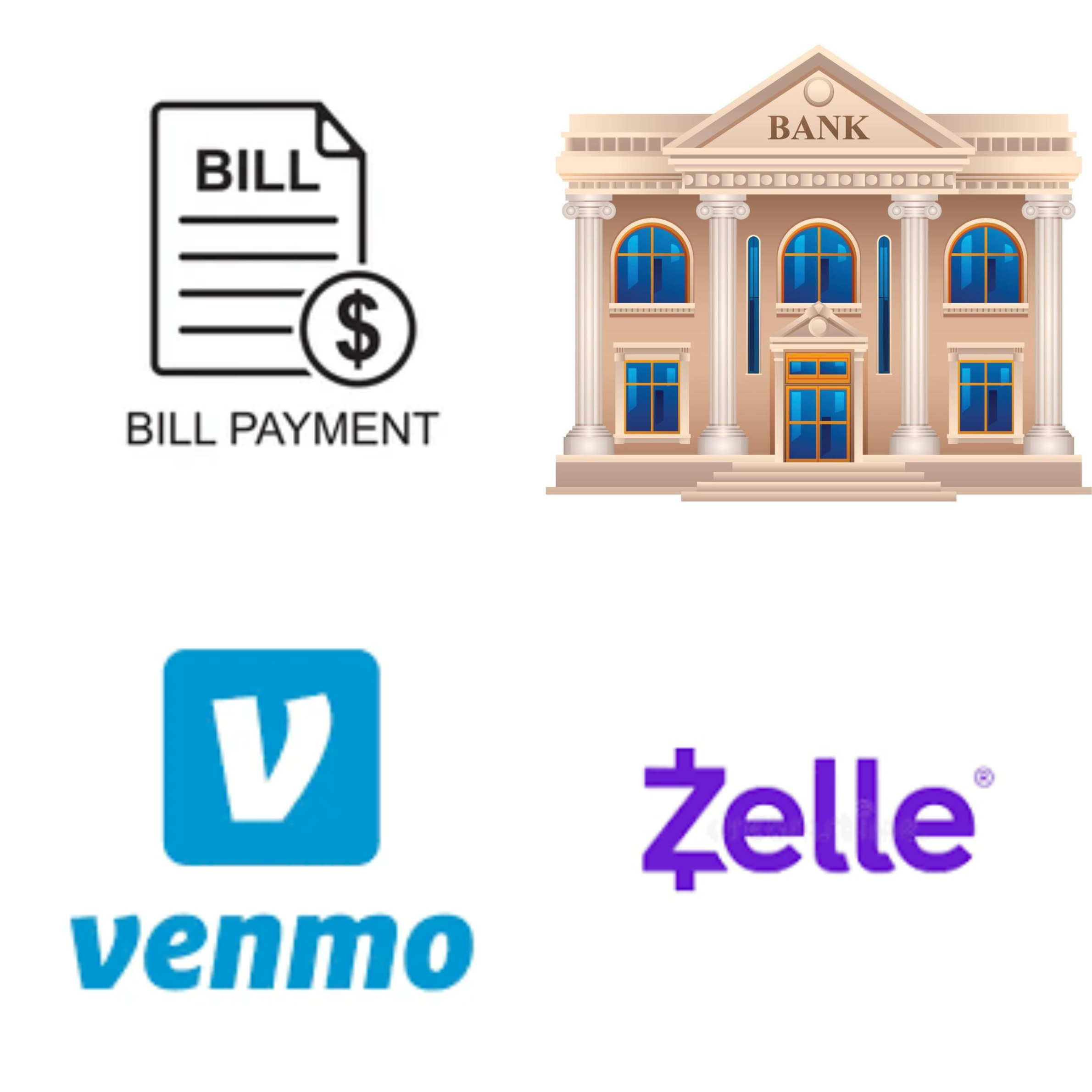
- Paying a credit card bill: Set the new account as the payment method for a credit card bill and send the balance there.
- Visiting the bank: If the bank has a local branch, withdraw funds at the teller or an ATM.
- Using Venmo: After receiving the debit card, transfer money to Venmo, then move it to an everyday bank account. Venmo acts as a middle step to get funds where they’re needed.
- Zelle: Transfer money from one account to another fee-free with Zelle—for example from the bonus bank to a main bank.
These methods make it easy to get bonus money out without much hassle.
Bank vs. credit card bonuses
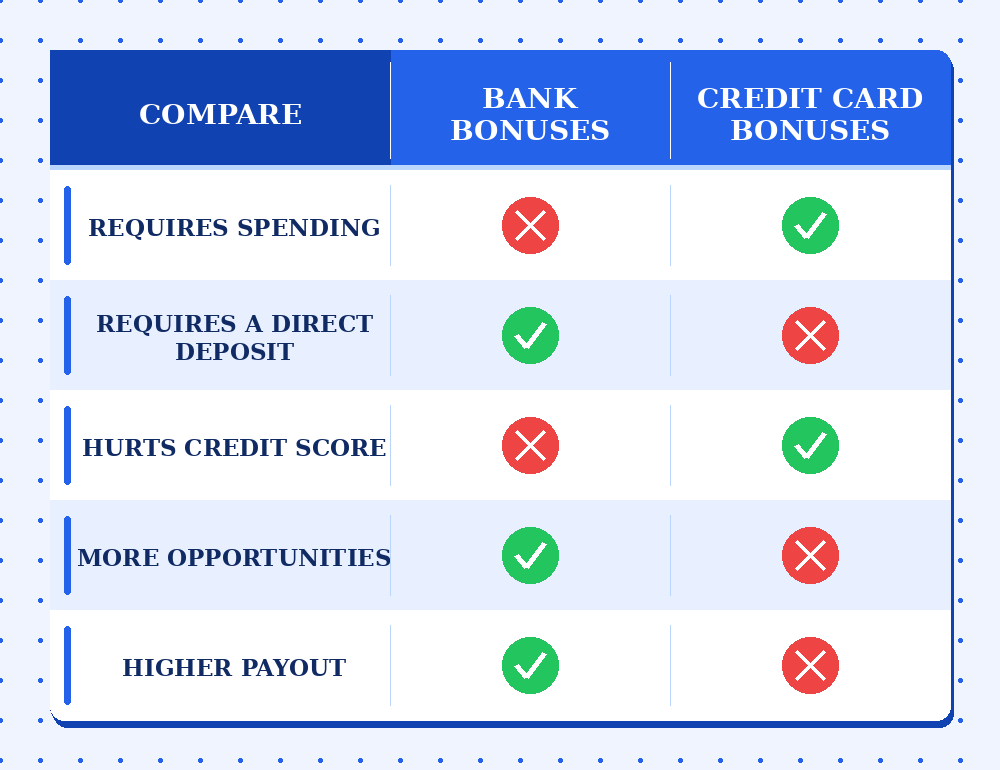
Bank account bonuses are typically better than credit card bonuses for the following reasons:
- No spending requirements: Unlike credit cards, no purchases are required to earn the bonus.
- No impact on credit score: Opening a bank account doesn’t affect one’s credit score, whereas credit card applications can.
- More opportunities: Many more bank account bonuses can be applied for and earned in a year compared to credit cards.
- Higher bonuses: Bank account bonuses tend to be larger than typical credit card offers.
In addition, one can typically reapply for a bank bonus after about a year once the account is closed, so it’s a repeatable strategy.
Frequently asked questions
Do I need to keep the bank account open?
Each bank has its own rules on when you are able to close the account. This can be seen in the terms and conditions for the bonus. The number of days you need to have the account open is shown on the bonus details button on the Bank Bonuses page. If you close the account before this number of days has passed, you are at risk of having the bank try to claw back the bonus they gave you.
However, most banks typically allow you to close the account after just 90 days. Once the bonus has been received, all funds can be transferred out. There’s no need to keep the account active. Some banks will automatically close it once the balance is $0 for a set period. If you have received the bonus and you are past the clawback date it is best to close the accounts so you can eventually get the bonus again. If the bank charges monthly fees it is best to close them soon after the clawback date to avoid paying unnecessary fees. If you are just starting out it is wise to begin only with banks that do not have fees.
How long does it take to receive the bonus?
Payout timing varies by bank. Some, like Chime, pay out within a week; others may take up to 90 days after the required actions are completed. The payout time can be seen in the bonus details section of the Bank Bonuses page. You can also check the bank’s terms for exact timelines.
Is this money taxable?
Yes. Bank bonuses are considered income and must be reported for taxes. If the bonus is large enough, the bank may send a 1099-INT form. If not, the bonus should still be reported as other interest income. Including it on one’s tax return avoids issues even when no 1099-INT is received.
Note
This is not tax advice—consult a tax professional for personalized guidance.
Additional information
For a video that explains the basics of bank bonuses and walks through someone getting their first bonus:
Take action: start earning bank bonuses today
Click here to see which bank account bonuses are best and available for you to start today.
I would recommend starting with Chime if you have never done a bonus before, since it is the easiest with a very fast payout. This will prove to you that this is an easy way to make a bit of extra money on the side.
Click me to apply now
For more on how BonusAgent.ai helps you track bank bonuses and your history, see the BonusAgent.ai How To guide.